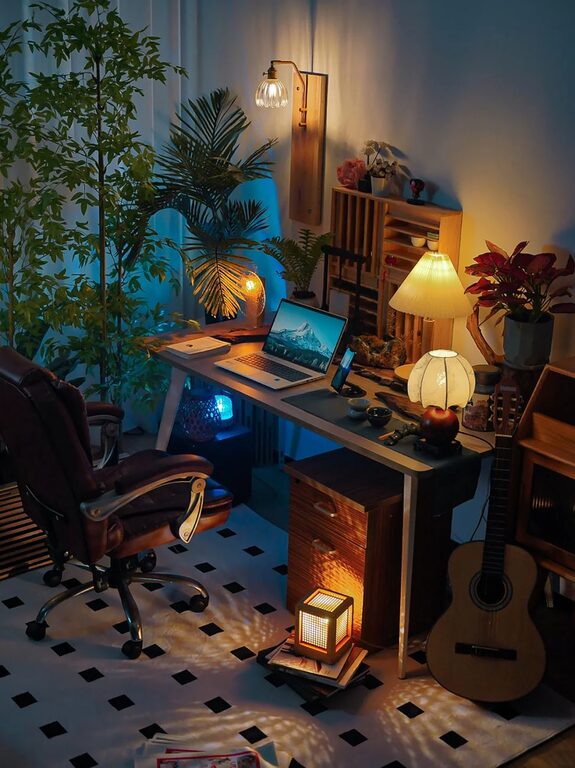





Creating a productive home office space is essential for anyone who works remotely or spends a significant amount of time on personal projects. A well-organized workspace can help reduce distractions, improve focus, and increase overall efficiency. Whether you have a dedicated room or a small corner in your home, these tips will help you design a comfortable and effective home office.
Choose the Right Location
Selecting the right spot for your home office is the first step toward productivity. Ideally, you want a space that is quiet, has good natural light, and minimal distractions.
– Quiet area: Choose a part of your home away from heavy foot traffic, loud appliances, or noisy neighbors.
– Natural light: Position your desk near a window to take advantage of sunlight, which can boost mood and alertness.
– Privacy: If possible, use a separate room or a partitioned area to separate work from personal life.
Select Functional Furniture
Your furniture plays a crucial role in comfort and effectiveness. Invest in pieces that support healthy posture and organization.
– Ergonomic chair: A comfortable, adjustable chair can prevent back and neck pain during long work hours.
– Desk size and style: Pick a desk with enough surface area for your computer, paperwork, and necessary tools. Consider desks with built-in storage to help keep clutter at bay.
– Storage solutions: Shelves, filing cabinets, or storage bins help keep your supplies organized and easily accessible.
Keep Your Workspace Organized
Clutter is a major productivity killer. Establish an organization system that suits your working style.
– Daily declutter: Spend a few minutes at the end of each day clearing your desk to start fresh the next morning.
– Cable management: Use clips or cable organizers to keep cords tidy and out of the way.
– Use labels: Clearly label files, bins, and shelves to quickly find what you need.
Personalize Your Space
Adding personal touches can make your home office feel welcoming and inspire creativity.
– Plants: Small indoor plants improve air quality and add a refreshing touch.
– Artwork: Hang inspiring artwork or motivational quotes to keep you energized.
– Lighting: Besides natural light, use adjustable desk lamps or soft overhead lighting to reduce eye strain.
Establish a Dedicated Work Zone
Having a clear boundary between your work area and other parts of the home helps maintain focus.
– Separate work and relaxation: Avoid working from places associated with rest, like beds or sofas.
– Define your area: Use rugs, screens, or furniture arrangement to create a distinct workspace.
– Signal work hours: Communicate with family members or roommates about your work schedule to minimize interruptions.
Organize Your Digital Space
Your physical setup is important, but your digital environment matters too.
– Clean your desktop: Keep your computer desktop free of unnecessary files and organize folders logically.
– Use productivity tools: Task managers, calendars, and note-taking apps help keep your schedule and tasks on track.
– Backup regularly: Protect your work by backing up files frequently to the cloud or an external drive.
Maintain Good Habits
The way you use your workspace affects productivity as much as the space itself.
– Take breaks: Regular breaks improve focus and reduce fatigue. Try the Pomodoro Technique or simple stretch routines.
– Set a routine: Start and end your workday at consistent times to establish boundaries and improve work-life balance.
– Stay hydrated and nourished: Keep water and healthy snacks nearby to maintain energy levels.
Consider Technology and Tools
Make sure your tech setup supports your work demands.
– Reliable internet: A fast, stable connection is vital for communication and research.
– Quality peripherals: Invest in a good keyboard, mouse, or headset to enhance comfort and efficiency.
– Noise-cancelling headphones: These can be invaluable in noisy environments to maintain concentration.
Regularly Evaluate and Adjust
Your needs and work habits may change, so periodically reassess your home office setup.
– Reflect on productivity: Identify what’s working and what isn’t.
– Make incremental changes: Small tweaks, like rearranging furniture or adding storage, can make a big difference.
– Stay flexible: Adapt your space as needed to support different tasks or seasonal changes in lighting.
—
A well-organized home office space can transform your work-from-home experience. By thoughtfully choosing your location, furniture, and organization system—and maintaining healthy habits—you can create an environment that supports productivity and well-being every day.