

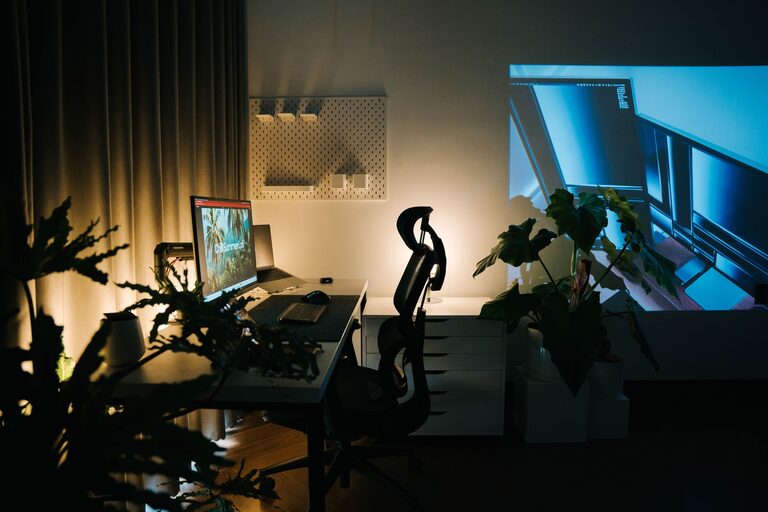
Creating a home office that is both cozy and functional can make a big difference in your daily work experience. Whether you work remotely, freelance, or occasionally bring work home, having a space that promotes focus and comfort is essential. In this post, we’ll explore practical tips to help you design a home office that suits your needs and feels inviting.
Choose the Right Location
Finding the ideal spot for your home office is the first step. Consider these factors:
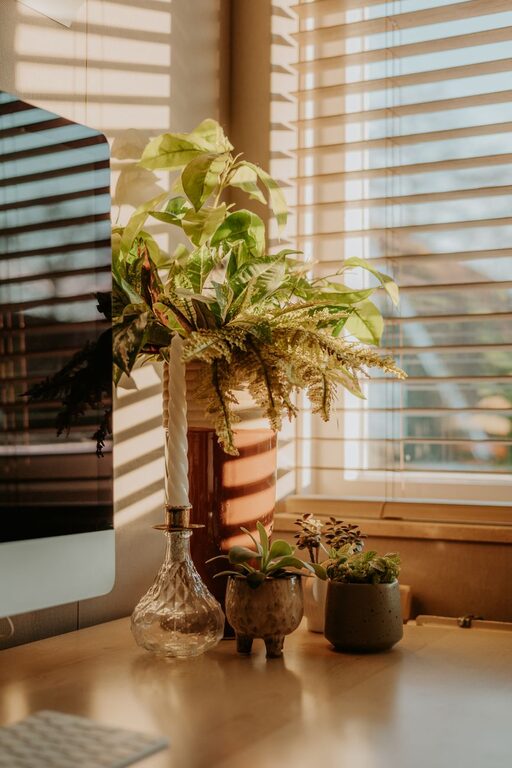
– Natural Light: Try to set up near a window to take advantage of daylight. Natural light boosts mood and reduces eye strain.
– Quietness: Pick a quiet area where you can concentrate with minimal distractions.
– Space: Ensure there’s enough room for your desk, chair, and any equipment you need.
Even a small corner can be transformed into a productive zone with the right setup.
Invest in Comfortable Furniture
Your chair and desk are the heart of your home office. Comfort and ergonomics play a significant role in your well-being and productivity.
– Ergonomic Chair: Choose a chair that supports your back and encourages good posture. Adjustable settings help you customize height and tilt.
– Desk Size: Select a desk large enough for your computer, documents, and other tools without feeling cramped. Standing desks or adjustable desks offer flexibility.
– Additional Seating: If space allows, add a small chair or bench for reading or quick meetings.
Organize Efficiently
Clutter disrupts focus, so keeping your workspace organized is key.
– Storage Solutions: Use shelves, filing cabinets, or storage boxes to keep supplies tidy.
– Desk Organizers: Invest in desktop trays, pen holders, and cable organizers to reduce mess.
– Digital Organization: Maintain a well-organized computer desktop and file system to save time.
Try to declutter regularly to maintain a clean environment.
Personalize Your Space
Adding personal touches can make your office feel more inviting and motivate you throughout your workday.
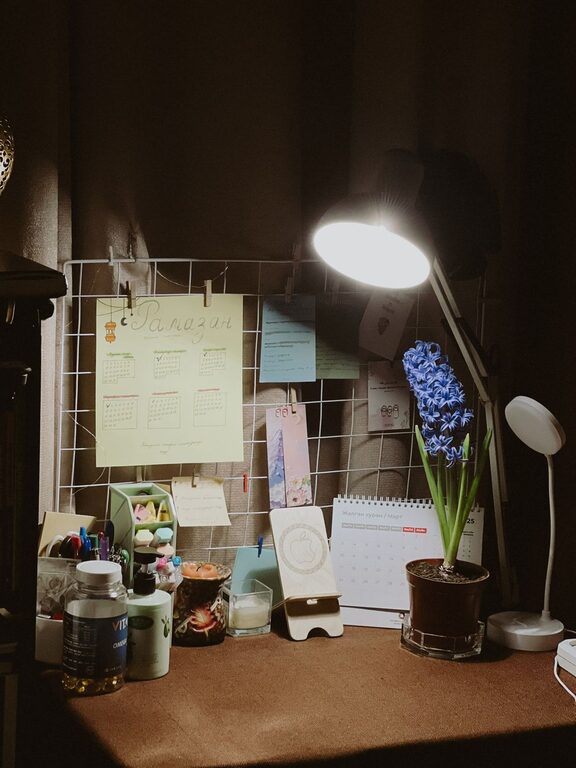
– Decor: Hang artwork, photos, or inspirational quotes that make you happy.
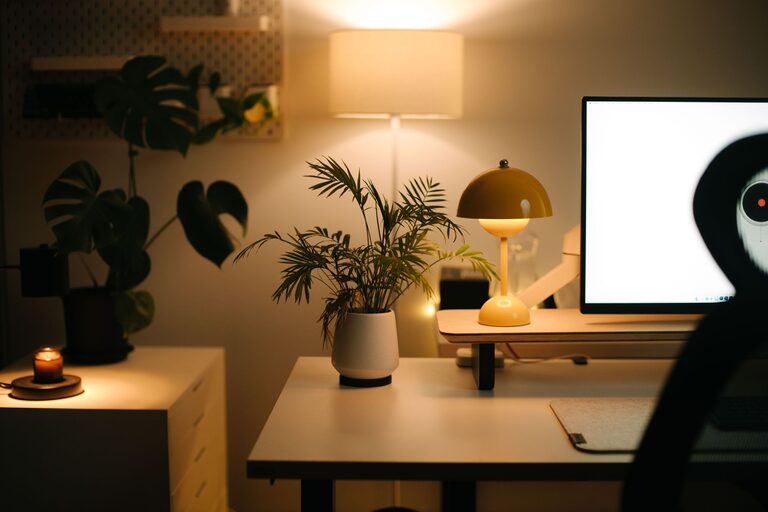
– Plants: Indoor plants add color, improve air quality, and create a calming atmosphere.
– Colors: Choose wall colors or accents that promote focus and comfort—soft blues, greens, or neutrals work well.
Balance personalization with minimalism to avoid distractions.
Optimize Lighting
Proper lighting is crucial for comfort and productivity.
– Task Lighting: Use a desk lamp with adjustable brightness for focused tasks.
– Ambient Lighting: Ensure your room has adequate general lighting to reduce eye strain.
– Avoid Glare: Position your computer screen to avoid reflections or harsh direct light.
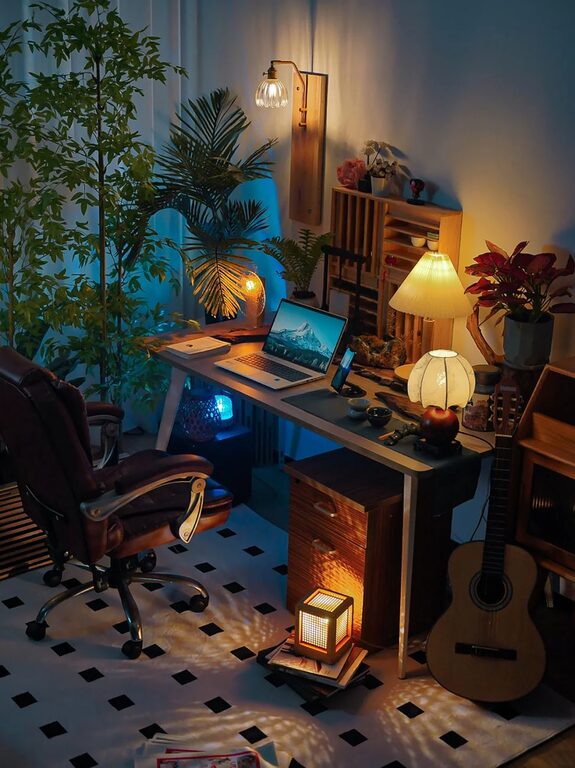
Using warm light bulbs can contribute to a cozy atmosphere.
Incorporate Technology Thoughtfully
Having the right technology makes your work easier, but too much can overwhelm your space.
– Essential Tools: Keep only necessary devices like a computer, printer, and phone charger on your desk.
– Wireless Devices: Wireless keyboards, mice, and chargers reduce cable clutter.
– Quality internet: A dependable internet connection will keep your workflow smooth.
Regularly check and update your tech to avoid interruptions.
Establish Boundaries
Separating your work area from your personal life helps maintain balance.
– Dedicated Workspace: Use your office only for work to help switch into “work mode.”
– Room Dividers: If your office shares space with living areas, use dividers or curtains to define boundaries.
– Work Hours: Set and respect work hours to prevent burnout.
Clear boundaries help you focus while offering a sense of routine.
Add Comfort Elements
Making your space cozy improves well-being during long hours at your desk.
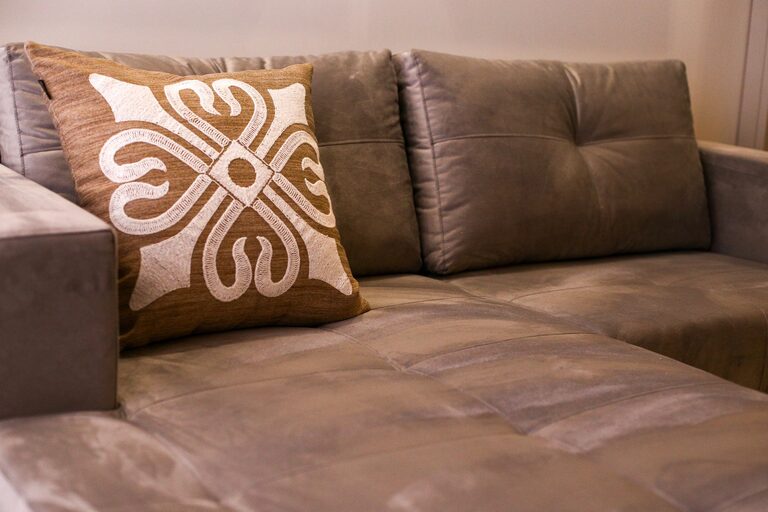
– Soft Textiles: Add a rug, cushions, or a cozy throw.
– Temperature Control: Use a fan, heater, or portable humidifier for comfort.
– Break Area: Include a small space where you can stretch, relax, or enjoy a cup of tea.
Comfort features encourage short breaks that refresh your mind.
Keep It Flexible
Your needs might change, so a flexible setup is wise.
– Modular Furniture: Choose pieces that can be rearranged or expanded.
– Mobile Storage: Rolling carts or portable bins let you adjust storage quickly.
– Multi-Functional Areas: Consider desks that convert to standing stations.
Being able to adapt your space helps keep it fresh and functional.
—
Creating a home office that blends comfort with practicality sets the stage for better focus and overall happiness. By choosing the right location, investing in good furniture, organizing efficiently, and personalizing your space, you’ll enjoy a workplace designed just for you. Remember, small changes can make a big impact, so start with one tip and build your ideal office step by step. Happy working!