


Creating a home office that feels both cozy and functional can make a big difference in your daily work routine. Whether you work remotely full-time or just need a quiet spot to handle personal tasks, a well-designed space can improve focus, comfort, and motivation.
In this post, we’ll explore practical tips to help you design a home office that meets your needs without sacrificing style or comfort.
Choose the Right Location
The first step in setting up your home office is picking the best spot. Consider these factors:
– Natural light: Select a space with plenty of sunlight. Natural light boosts mood and reduces eye strain.
– Quiet environment: Find a corner or room away from household noise for better concentration.
– Space and layout: Ensure there’s enough room for your desk, chair, and storage without crowding.
If space is limited, consider using a section of your living room, bedroom, or even a hallway nook with creative organization.
Invest in Comfortable and Ergonomic Furniture
Comfort matters when you spend hours at your desk. An ergonomic setup supports your posture and prevents discomfort.
– Office chair: Choose an adjustable chair with lumbar support and breathable fabric.
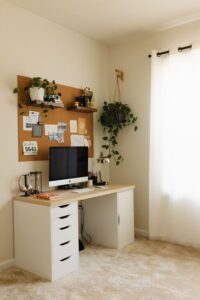
– Desk: Select a desk that fits your space and offers enough surface for your devices and writing materials.
– Standing desk options: If possible, consider a desk that transitions between sitting and standing to promote movement throughout the day.
Remember, comfort doesn’t mean bulkiness. Sleek, minimalistic furniture can be both stylish and supportive.
Organize with Purpose
A clutter-free workspace reduces distractions and streamlines your workflow. Use organization tools that fit your style and needs:
– Storage solutions: Shelves, filing cabinets, and drawer organizers help keep papers and supplies tidy.
– Desk organizers: Use trays, pen holders, and cable clips to arrange everyday items.
– Digital organization: Don’t forget to organize digital files for easy access to your documents.
Labeling storage bins or drawers can also save time when searching for supplies.
Personalize Your Space Without Overdoing It
Make your home office inviting by adding personal touches that inspire you, but avoid clutter.
– Decor: Add a few framed photos, artwork, or motivational quotes on the walls.
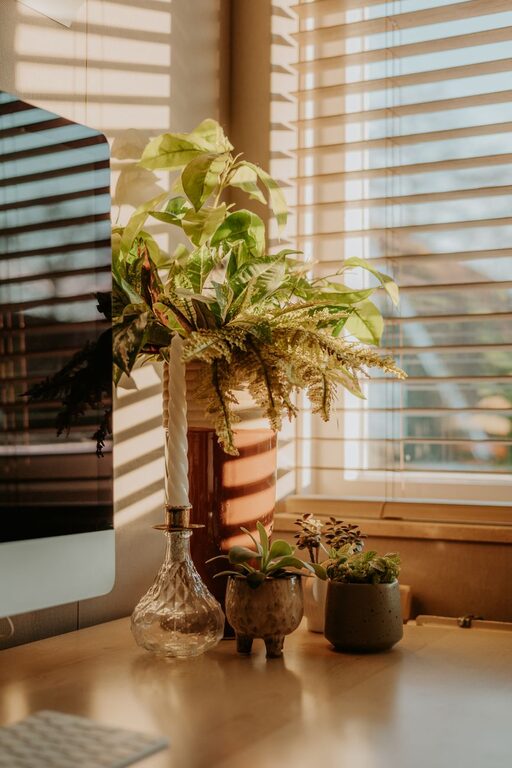
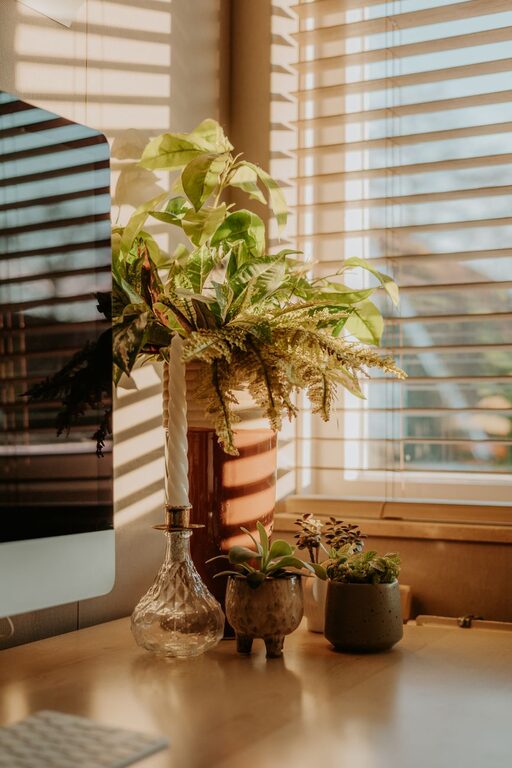
– Plants: Indoor greenery improves air quality and adds a calming effect.
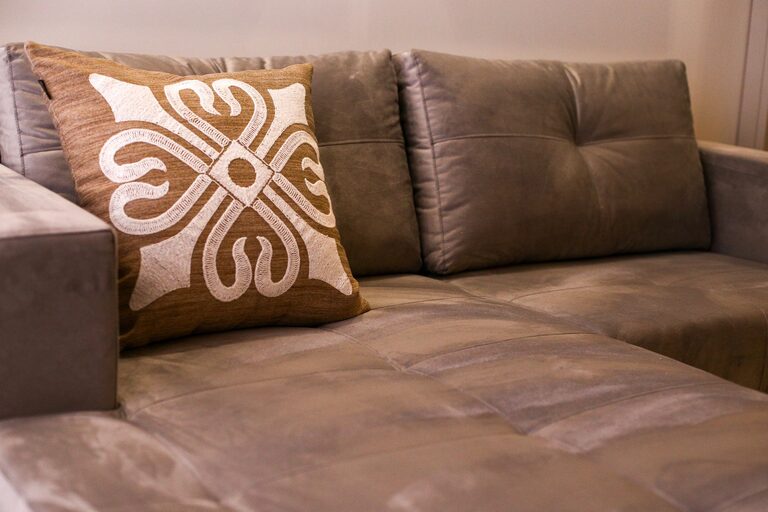
– Textiles: Consider a soft area rug or comfortable cushions for your chair.
Choosing a consistent color palette can help unify your workspace and make it feel more cohesive.
Optimize Lighting for Productivity and Comfort
Good lighting reduces eye strain and creates a pleasant atmosphere.
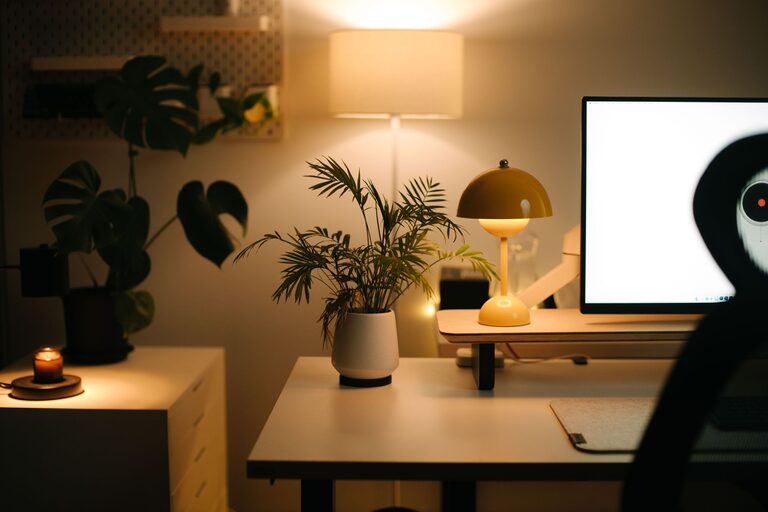
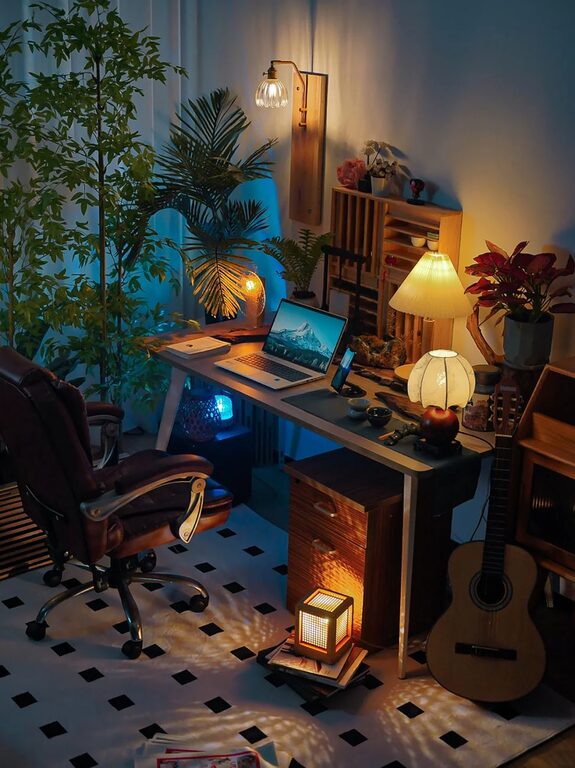
– Layered lighting: Combine overhead lights with desk lamps and natural light.
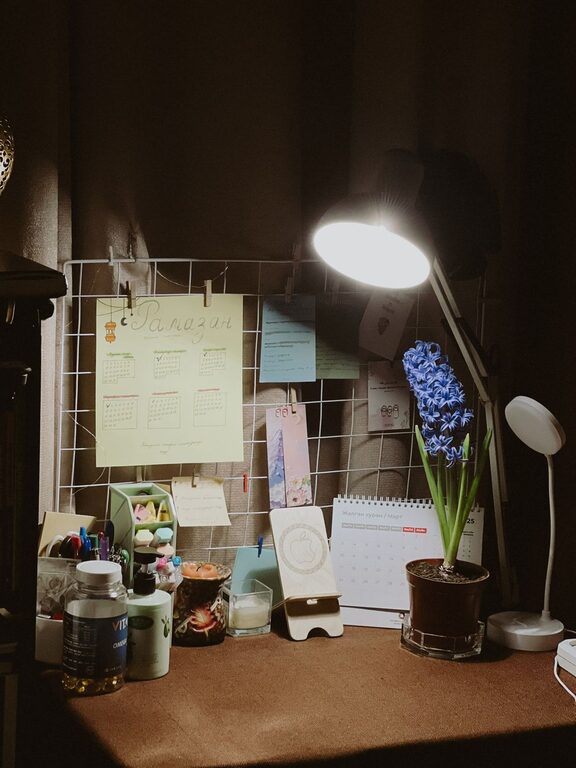
– Task lighting: Use adjustable lamps that focus directly on your work area.
– Avoid glare: Position your computer screen and lights to reduce reflections and shadows.
Choose light bulbs with a color temperature around 4000K to 5000K for a natural, bright feel.
Minimize Distractions and Set Boundaries
To maintain focus, set up your office in a way that separates work from home life.
– Use noise-canceling headphones if your environment is noisy.
– Establish “work hours” with family or roommates to respect your time.
– Keep your work zone distinct from relaxation areas.
Simple room dividers, screens, or even curtains can visually separate your office space.
Incorporate Technology Thoughtfully
Having the right technology helps streamline your work without adding stress.
– Reliable internet connection: Essential for online meetings and file sharing.
– Cable management: Use clips or tubing to hide and organize cables neatly.
– Essential accessories: Consider a second monitor, wireless keyboard, or mouse to improve efficiency.
Keep your tech updated and regularly cleaned for best performance.
Add Comfort with Climate Control
Maintaining a comfortable temperature enhances productivity.
– Fans or heaters: Portable units can adjust your immediate workspace.
– Air circulation: Open windows or use air purifiers to keep air fresh.
– Wear layers: Dress comfortably to adapt to temperature changes during the day.
Small changes in climate control can greatly impact your comfort while working.
Final Thoughts
Creating a cozy, functional home office is all about balance. By choosing the right location, investing in ergonomic furniture, keeping the space organized, and personalizing thoughtfully, you can design a workspace that supports your productivity and well-being. Remember that your home office should be a place where you feel motivated and comfortable, helping you tackle your work calmly and efficiently each day.